When global leaders gathered in Seville for the Fourth International Conference on Financing for Development (FfD4) and later in Doha for the World Summit on Social Development (WSSD2), the message was clear: recovery must be inclusive.
But how do we translate these commitments into action, especially in crisis contexts like Ukraine and Palestine?
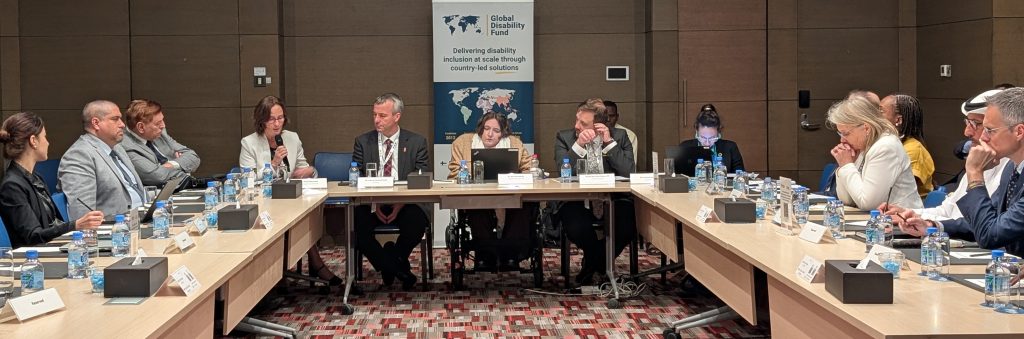
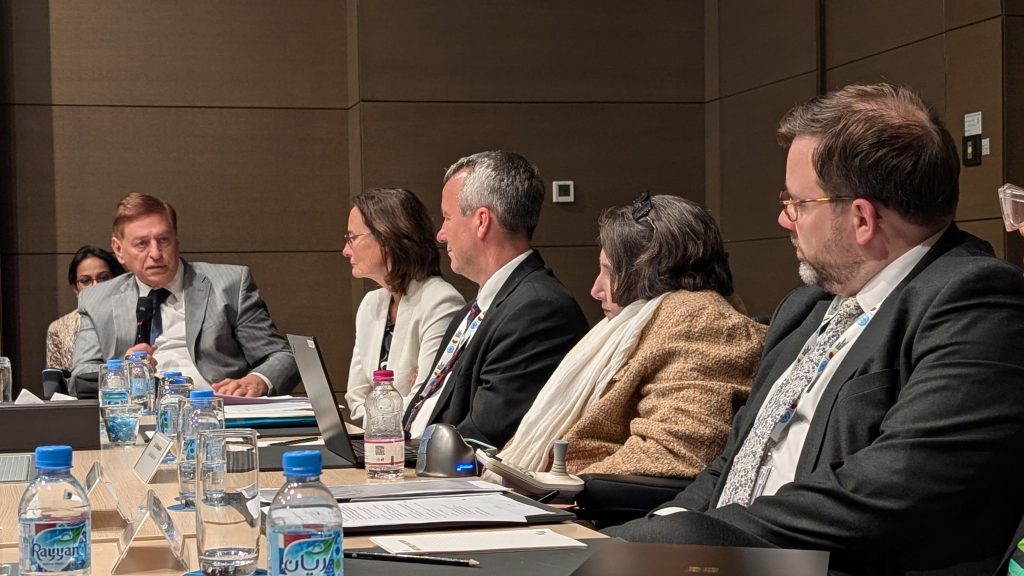
On November 3rd in Doha, the Global Disability Fund (GDF) and the International Disability Alliance (IDA) convened a high-level roundtable to answer that question. The session brought together governments, donors, organizations of persons with disabilities (OPDs), and development partners to explore how reconstruction can embed accessibility, participation, and resilience from the outset, ensuring that we do not rebuild the barriers crises have exposed.
Voices from the Ground
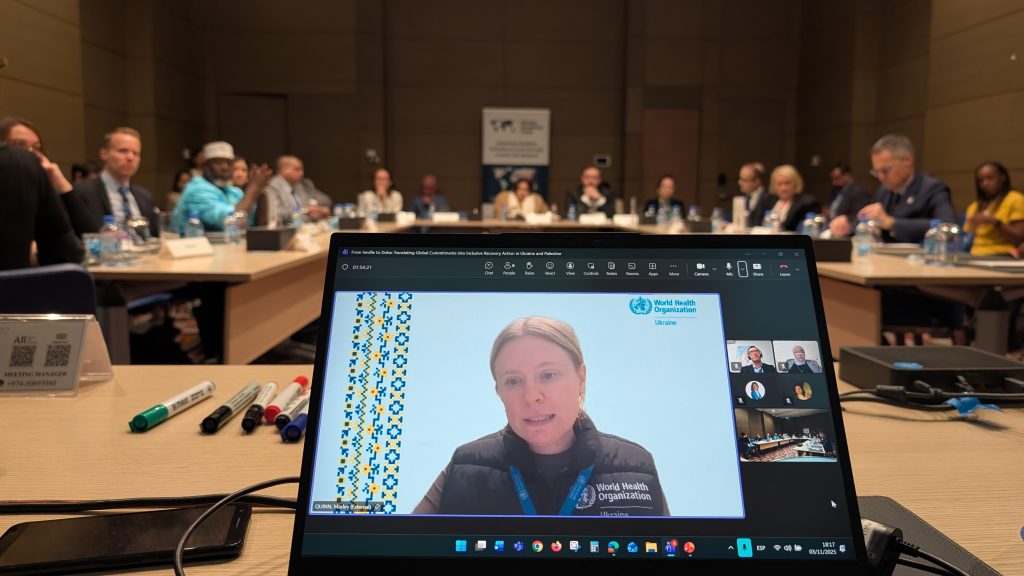
Partners in Palestine and Ukraine noted GDF’s support in conducting situational analyses and maintaining inclusive services during crisis, while shaping recovery plans that prioritize accessibility and OPD engagement.
Palestine: Gaza faces catastrophic conditions; estimated 43,000 new disabilities since war began; urgent need for mandatory inclusion in recovery frameworks.
Ukraine: At least 2.7M persons with disabilities; 300,000 new cases since 2022; barriers include fragmented coordination, outdated legal frameworks, and lack of disability-disaggregated data.
Inclusion as a Design Principle, Not an Afterthought
Speakers agreed: disability inclusion cannot be treated as a late-stage add-on. Evidence from GDF and IDA’s work in crisis environments shows that inclusive design is not only a moral imperative but also a smart financial decision. Build accessible infrastructure and services generate long-term dividends in resilience and social cohesion; and it is far more cost-effective than retrofitting inaccessible systems.
The GDF–IDA Inclusion Overlay emerged as a practical blueprint for operationalizing this principle. By centering OPD leadership, universal design standards, and strong accountability mechanisms, we will ensure every investment contributes to systemic inclusion, not just project-level outputs.
Leadership of Persons with Disabilities
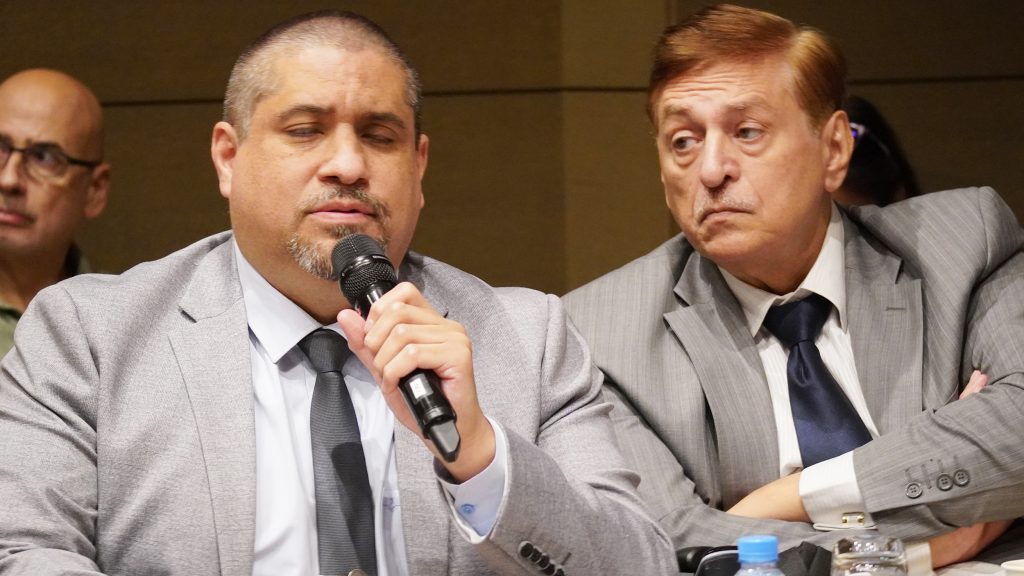
A recurring theme was the indispensable role of OPDs as co-leaders of recovery. Institutionalized OPD governance—beyond consultation—was described as essential for legitimacy and effectiveness. OPDs bring contextual knowledge and real-time insights, helping identify blind spots in system design. Their leadership strengthens accountability and ensures recovery systems reflect the rights and needs of persons with disabilities.
Building Systems Through Standards and Data
Ukraine and Palestine illustrate why systemic foundations matter. Both contexts face fragmented coordination, incomplete disability-disaggregated data, and uneven application of inclusion standards. Participants called for enforceable standards and coherent results frameworks spanning humanitarian and development finance. GDF’s catalytic model was repeatedly cited as the stabilizing force that aligns donors, governments, and development banks around common benchmarks.
Donor Endorsements and GDF’s Catalytic Role
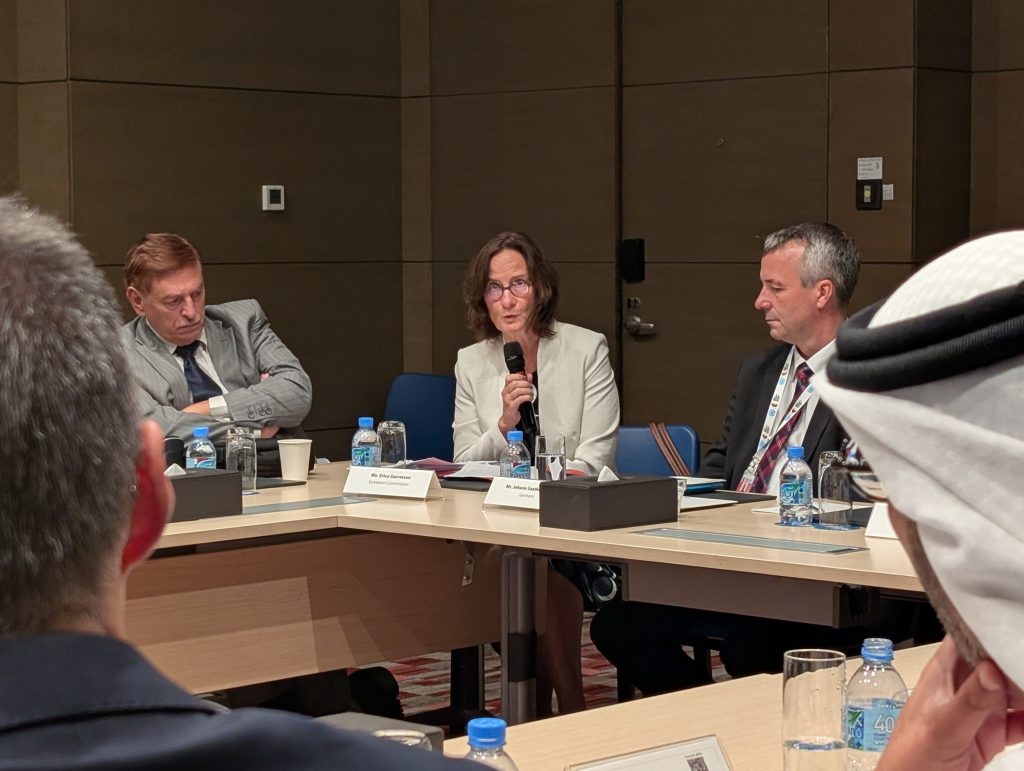
Germany, the UK, the EU, and Australia all reaffirmed GDF’s role as the mechanism that turns ambition into action. By mobilizing additional co-financing, bridging humanitarian response with investment-grade recovery, and embedding systemic inclusion through governance, GDF provides the architecture for inclusive reconstruction at scale.
A Call for Collaboration
The roundtable closed with five shared takeaways:
- Inclusion must start early;
- OPD leadership is non-negotiable;
- data and standards must guide financing;
- GDF’s model enables large-scale inclusive recovery;
- and crises offer a rare chance for systemic transformation.
The message is clear: inclusive recovery is not just possible, it is imperative.
GDF invites partners to join in scaling this model, aligning resources, and ensuring that reconstruction in Ukraine, Palestine, and beyond becomes a catalyst for equity and resilience.