On the 6th of February 2025, over 300 health and disability experts gathered in person and virtually for a Thematic Pre-Summit on Health Equity for Persons with Disabilities leading up to the Global Disability Summit 2025. This conversation was co-hosted by the Permanent Mission of Sweden in Geneva, the International Disability Alliance (IDA), the Global Disability Fund (GDF), and the International Disability and Development Consortium (IDDC). The event was held onsite at UNAIDS in Geneva and broadcasted online.
The primary objectives of the Thematic Pre-Summit were:
- To demonstrate the urgent need for actionable commitments to advance health equity for persons with disabilities as the pathway to achieve health for all;
- To showcase solutions and good practices of how to advance health equity for persons with disabilities; and
- To discuss what are the concrete commitments that disability and health actors can make at the 2025 Global Disability Summit (GDS), co-hosted by Germany, Jordan and the International Disability Alliance.
Opening Remarks
Powerful opening remarks were made by Pearl Lüthy, a disability self-advocate, who shared her personal experience with the health system and highlighted the importance of ensuring healthcare is fair for all people, healthier and longer lives for people with disabilities, and OPD leadership.
José Viera, Interim Executive Director of the International Disability Alliance (IDA), chaired the meeting. In his opening remarks, he reiterated that health is a top priority for persons with disabilities and that current evidence show how much still needs to be done to achieve health equity. He talked about the interconnectedness of health and other sectors, as without good health, a person cannot go to school, get a job, or have a family. Given the urgency of the situation, José welcomed this discussion on commitments to change.
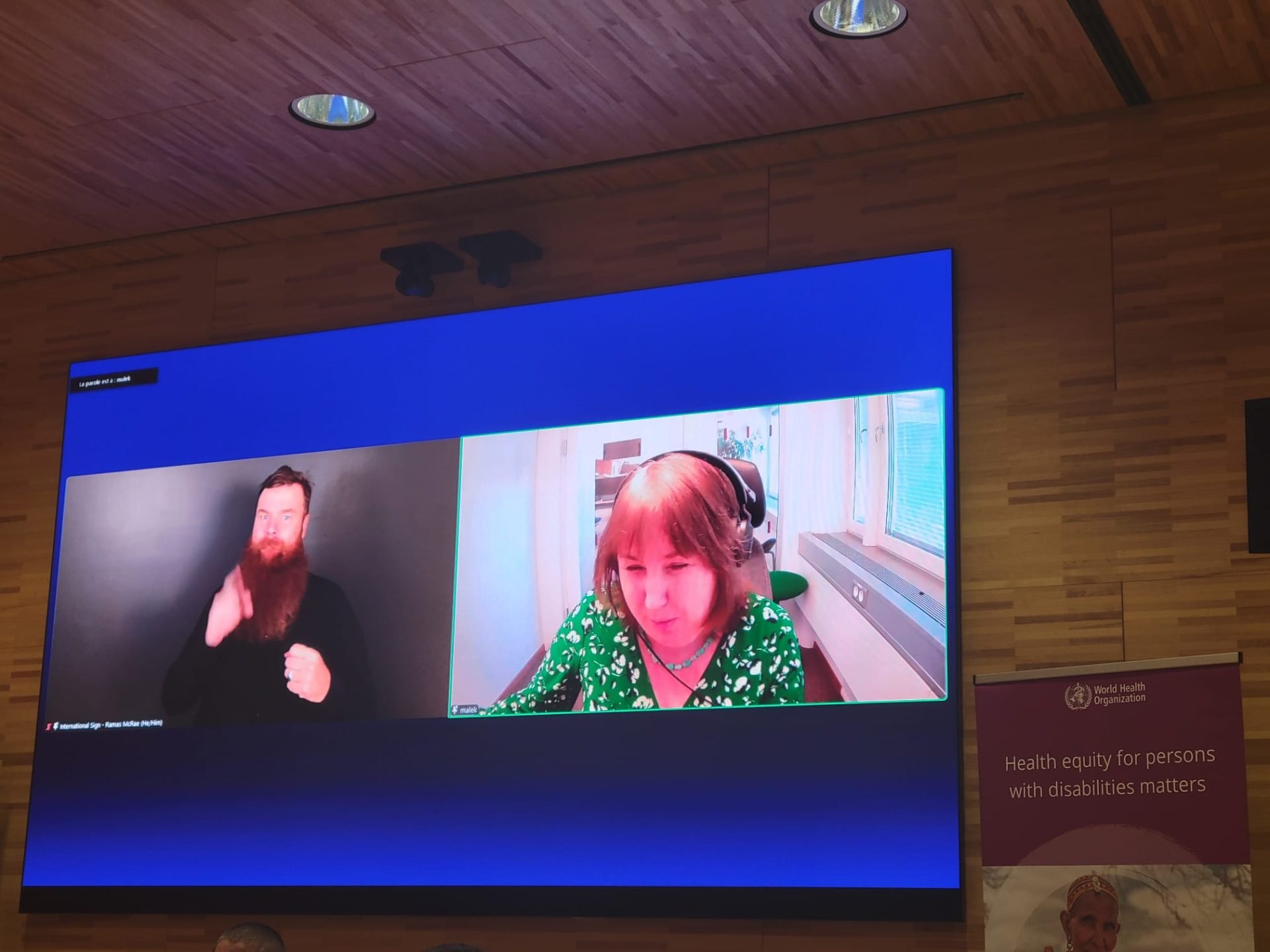
José gave the floor to Malin Ekman Aldén, Director-General of the Swedish Agency for Participation, who expressed Sweden’s commitment to investing in accessible services, inclusive health programmes, and training for health providers. She reiterated Sweden’s strong support of IDA and the Global Disability Fund and stressed the importance of the upcoming Global Disability Summit as a pivotal moment for promotion of inclusion, equity, and dignity.
Following, Dr Jérôme Salomon, Assistant Director-General of the World Health Organization (WHO), thanked the organizers for the meeting and expressed WHO’s unwavering commitment to health equity for persons with disabilities. He urged stakeholders to support health equity and to take advantage of the upcoming GDS to solidify commitments.
-
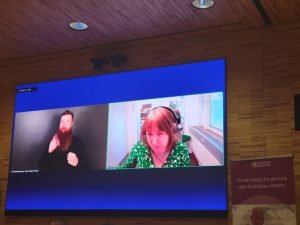
- Malin Ekman Aldén, Director-General of the Swedish Agency for Participation, expressed Sweden’s commitment to investing in accessible services, inclusive health programmes, and training for health providers
-
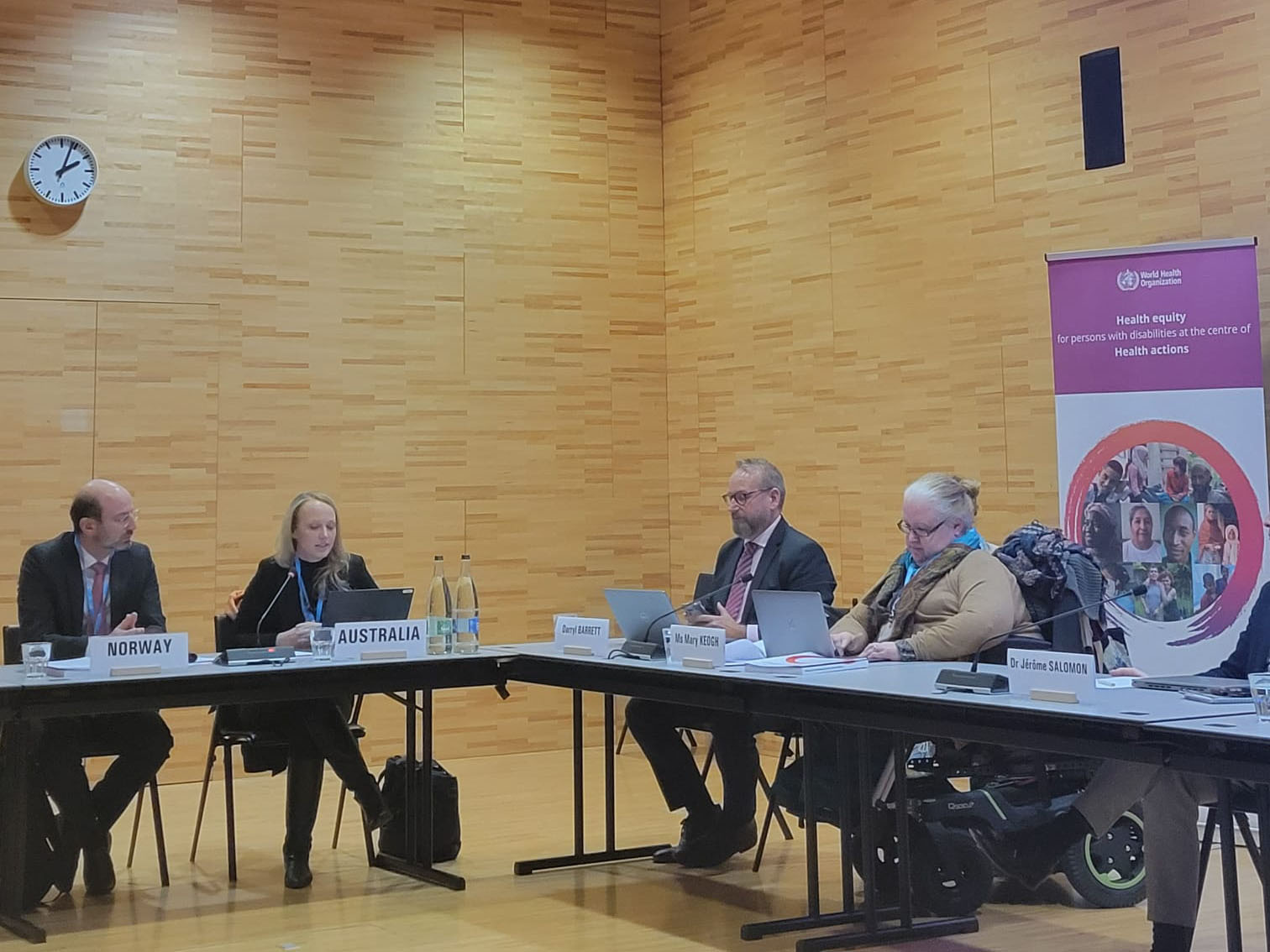
- A representative of Australia thanked co-hosts and reiterated Australia’s decade-long commitment to promoting disability inclusion.
-
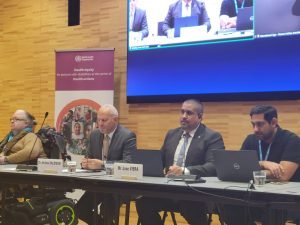
- José Viera, Interim Executive Director of the International Disability Alliance (IDA), chaired the meeting.

-
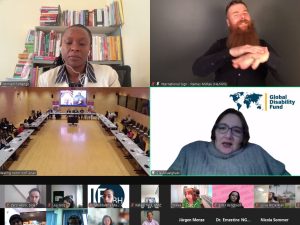
- Dr Ola Abualghaib, Director of the Secretariat of the Global Disability Fund (GDF), highlighted the importance of collaboration and partnership at national and global level.
The Global Disability Summit 2025, a platform for commitments
Hans-Peter Baur, Commissioner for the Global Disability Summit 2025, German Federal Ministry for Economic Cooperation and Development (BMZ), expressed appreciation for this event, one of the last chances to exchange ideas and build momentum ahead of the GDS. He thanked IDA for their global advocacy and for their permanent role as co-hosts of the GDS and expressed pride to co-host the GDS with Jordan, one of the first signatories to the Convention on the Rights of Persons with Disabilities (CRPD). Hans-Peter then reaffirmed Germany’s commitment to the CRPD and advancing the rights of persons with disabilities and urged stakeholders to submit commitments ahead of the GDS.
GDS 2025 Commitments, a means to ensure that the health needs of persons with disabilities are addressed
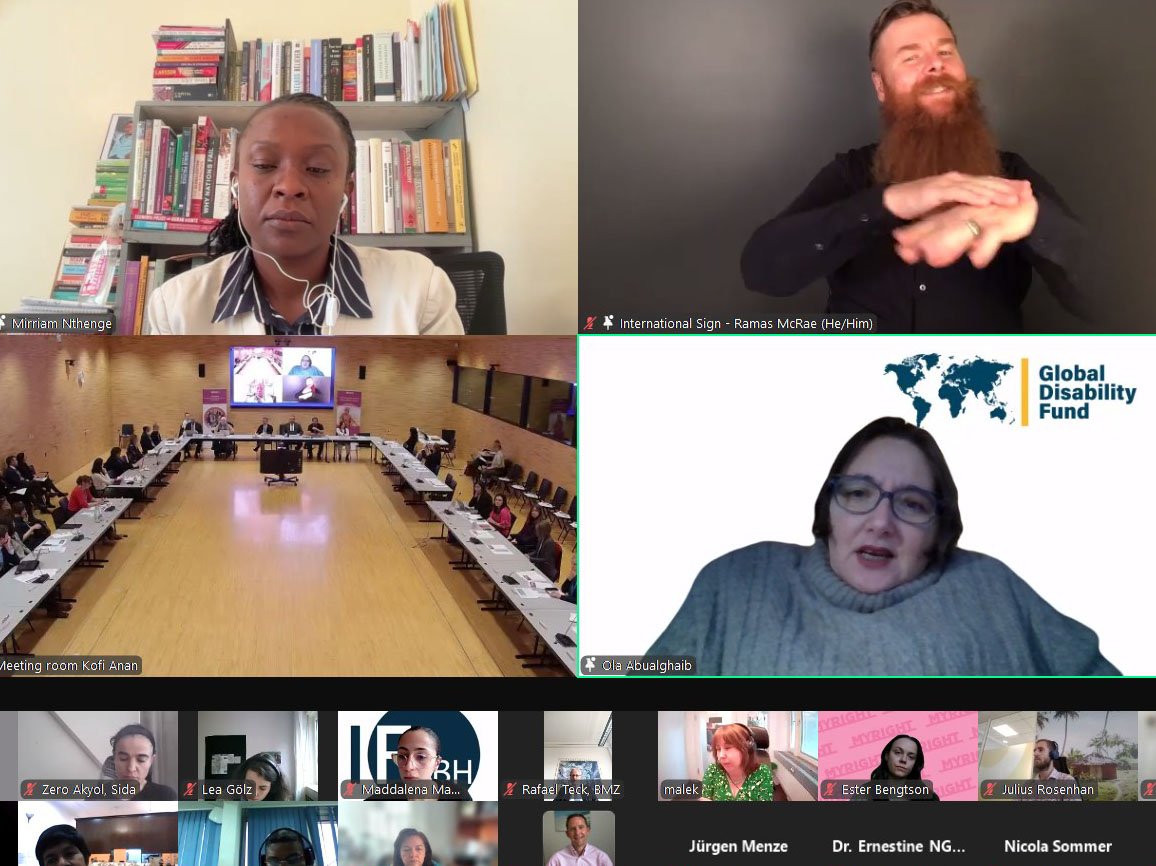
Dr Ola Abualghaib, Director of the Secretariat of the Global Disability Fund (GDF), highlighted the importance of collaboration and partnership at national and global level. Ola shared that consultations around the development of GDF’s new strategy have revealed health equity as a critical priority, and that the GDF will be working with partners to accelerate access to health, including rehabilitation and sexual and reproductive health services, at local level and across sectors. Ola shared reflections from GDF’s experience of implementing programmes in over 100 countries, stressing that now is the time to focus on action, implementation and investment for health equity persons with disabilities as commitments have largely remained on paper so far.
Mirriam Ngenthe, International Disability Alliance (IDA), discussed the important role that organisations of persons with disabilities (OPDs) play in achieving health equity. She provided an example of a campaign launched jointly by IDA and IDDC during COVID-19, which helped bring attention and solutions to the disparity in vaccine access for persons with disabilities.
Mary Keogh, Chair of the International Disability and Development Consortium (IDDC), built upon Ola’s comments to describe the nature of collaboration that is needed to ensure health equity. She stressed the importance of funding and tracking disability data through DAC markers and mentioned a task group looking at how to advance evidence and learning around inclusion.
Statements from the Floor
A representative of Australia thanked co-hosts and reiterated Australia’s decade-long commitment to promoting disability inclusion. She announced the launch of a new disability, equity and rights strategy from DFAT in 2025 and reaffirmed their commitment to collaborating with and supporting partners meet health needs.
A representative of Norway welcomed this Thematic Pre-Summit on health equity, as they promoted health as a key topic during the previous GDS, at which they were a co-host. He noted that 13% of the commitments made during the Oslo GDS were on inclusive health, and they are pleased to see it continues to be a priority area of the Global Disability Summit.
Emi Michael, Health Equity Lead for the Global Fund reaffirmed their commitment to advancing health equity, noting that health data rarely captures the nuances of disability. The Global Fund recognises that disability data needs to be integrated, with its current strategy emphasising this.
Closing
José Viera ended the meeting by echoing the three concrete actions described in Pearl’s opening remarks:
- Commit to change, so that we are not having the same conversations in another few years.
- Put persons with disabilities at the center of the health equity agenda.
- Further investment is needed for change, at both the international and domestic levels.
José thanked participants and closed the meeting.
Resources
A closer look at Global Disability Summit health commitments
Full recording of the Thematic Pre-Summit on Health equity for persons with disabilities – YouTube