At the Second World Summit for Social Development (WSSD2), the Global Disability Fund (GDF) and the International Disability Alliance (IDA) brought together governments, OPDs, UN agencies, and development partners for a high‑level solutions session on accelerating disability inclusion across poverty eradication, employment and decent work, and social inclusion.
With only 6% of SDG targets on track for persons with disabilities, speakers underscored that disability inclusion is a moral, legal, and economic imperative. They called for bold commitments, stronger OPD leadership, and innovative financing to ensure the 2030 Agenda delivers for the world’s 1.3 billion persons with disabilities.
Why Disability Inclusion Matters
WSSD2 reaffirmed the urgency of the Copenhagen Declaration and the 2030 Agenda. Across regions, persons with disabilities continue to face higher poverty rates, limited access to decent work, and barriers to essential services and social protection. With persons with disabilities making up 16% of the global population, speakers emphasized that inclusive development is fundamental to social progress and economic resilience, not a niche concern.
Global Leadership: Renewed Commitments
Ireland: Investing in OPD Leadership
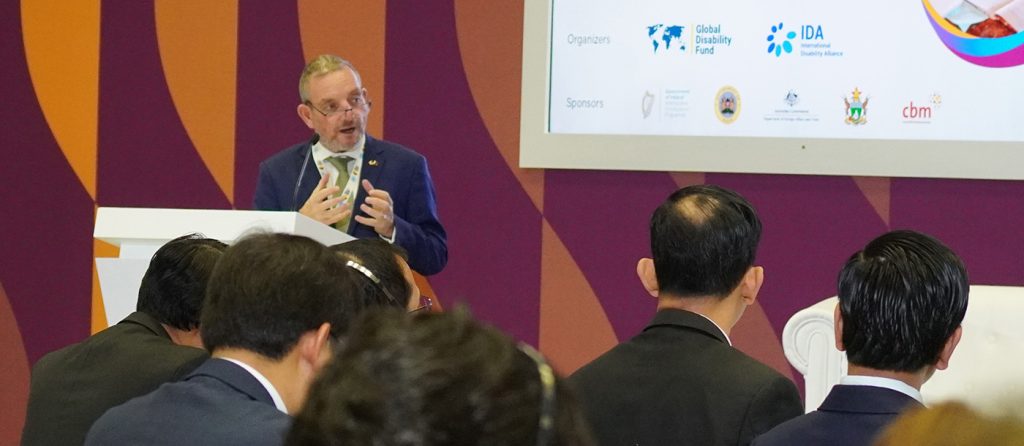
Minister of State Mr. Jerry Buttimer stressed that “disability can no longer remain at the margins.” Ireland reaffirmed its commitment to the Doha Political Declaration and highlighted its co‑creation model for disability policies. Fifteen percent of country‑level programming is dedicated to supporting persons with disabilities and OPDs. He recognized GDF and IDA for driving global progress rooted in OPD leadership.
Australia: Stronger Movements, Stronger Futures
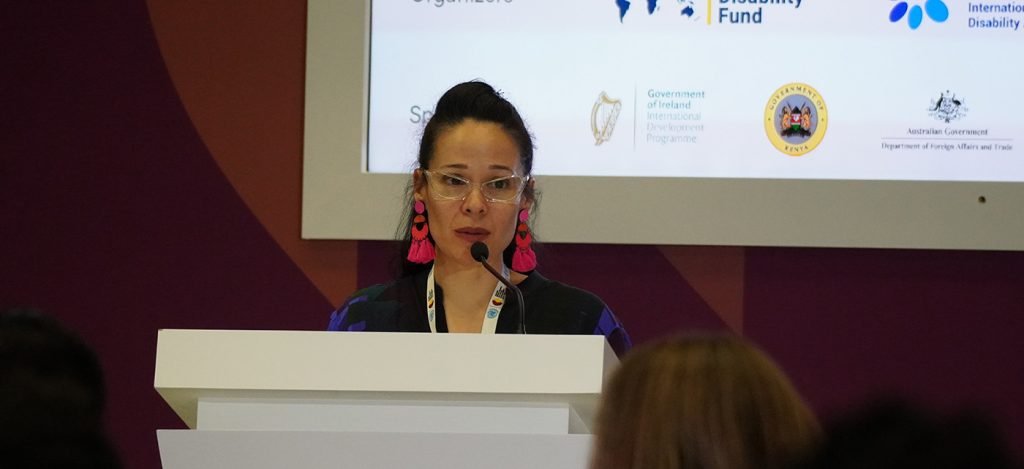
Australia’s representative, Ms. Danielle Sever, presented the International Disability Equity and Rights Strategy, which positions OPDs as “changemakers whose lived experience drives systemic inclusion.” Disability equity is now integrated into Australia’s humanitarian, climate, education, and employment efforts.
International Disability Alliance: Inclusion Benefits Everyone
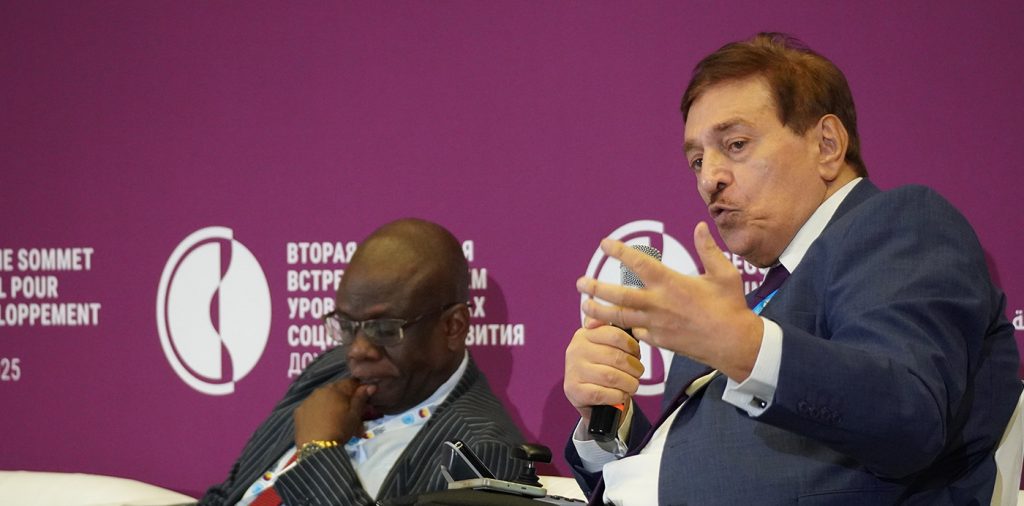
IDA President Dr. Nawaf Kabbara emphasized that disability is a universal human experience and that investments in accessibility and inclusion strengthen societies. He urged governments to embrace disability inclusion as a shared responsibility, not a sectoral issue.
Country Perspectives: Innovations and Lessons
Zimbabwe: Financing Inclusion Through National Systems
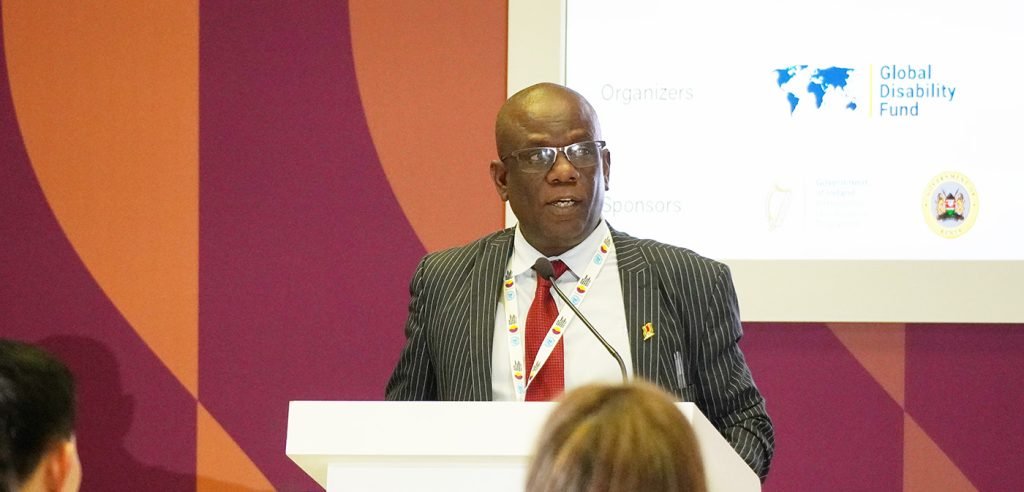
Mr. Clifford Matorera highlighted Zimbabwe’s disability‑responsive budgeting, co‑led with OPDs from planning through monitoring. National reforms include cash transfers, assistive devices, and accessible disaster‑preparedness systems. With persons with disabilities making up 9.6% of the population, he stressed that sustainable financing is central to advancing disability inclusion.
Kenya: Scaling Employment and Governance Reforms
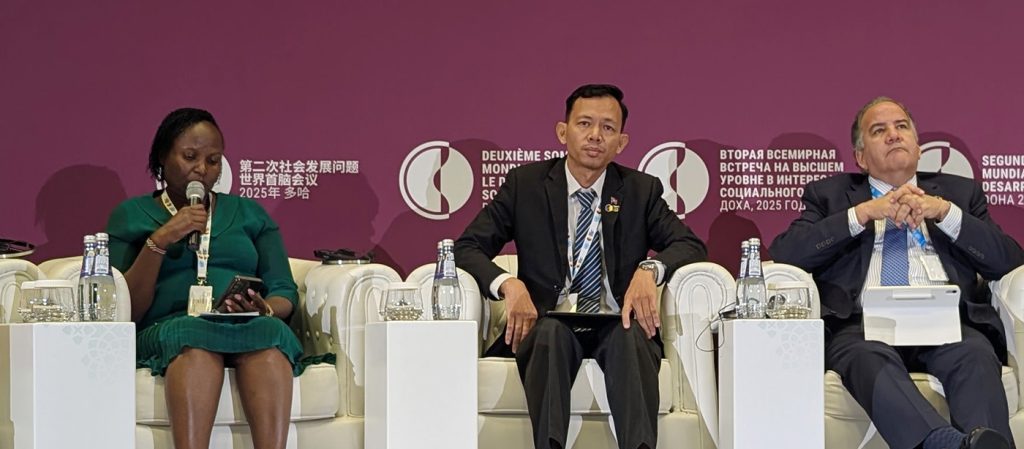
Ms. Eva Jacob presented Kenya’s roadmap to allocate 5% of public‑sector jobs to persons with disabilities, developed with OPDs and supported by GDF. Kenya is also digitalizing disability assessments, strengthening social protection, and embedding OPD participation in governance structures.
Cambodia: Expanding Services and Inclusive Budgeting
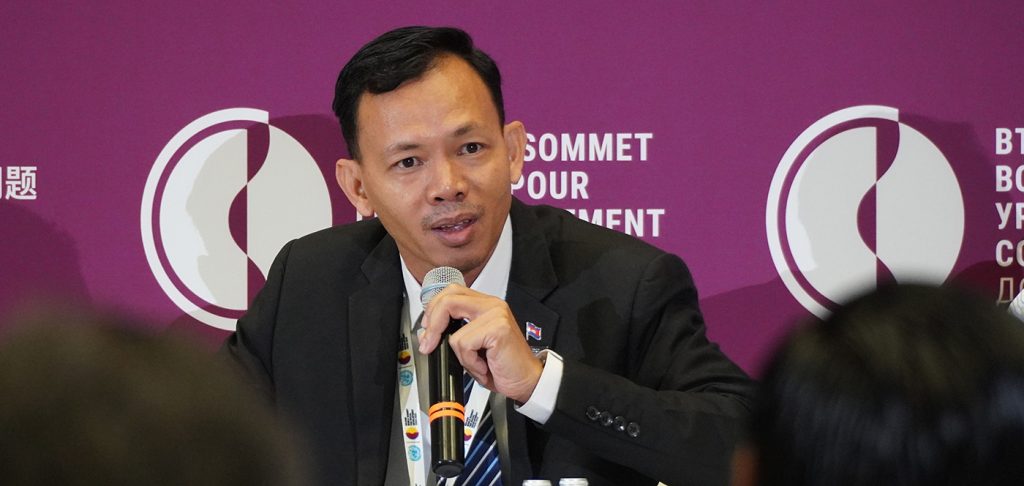
Mr. Nuom Sokhon outlined inclusive reforms across health, education, rehabilitation, and vocational training. Cambodia is implementing inclusive budgeting across ministries and expanding public–private partnerships, supported by GDF’s expertise in inclusive financial modeling.
Guatemala: Data‑Driven Inclusion at Local and National Levels
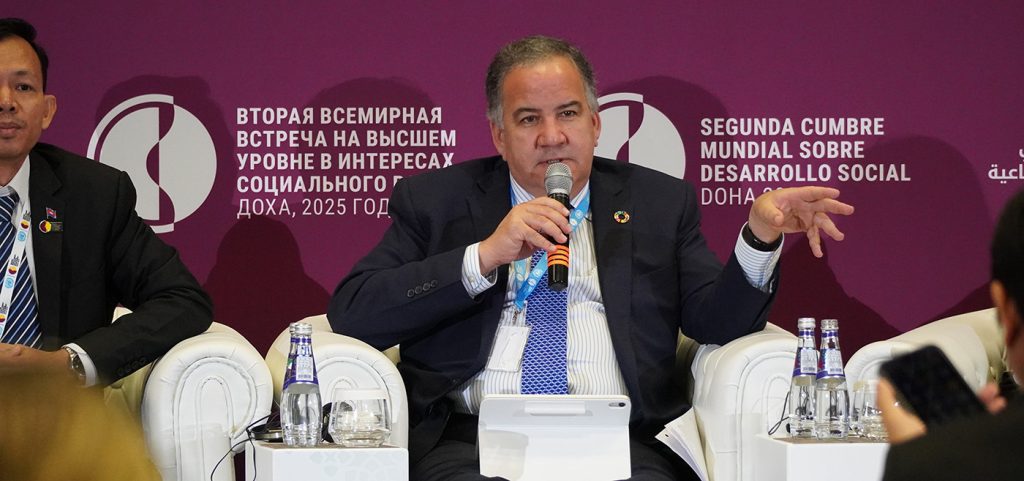
UN Resident Coordinator Mr. Miguel Barreto shared Guatemala’s advances in disability certification, inter‑ministerial coordination, and digital, geo‑referenced municipal disability registries, tools that help identify and support persons with disabilities who were previously invisible to public systems.
Cross‑Cutting Priorities
Gender and intersectionality:
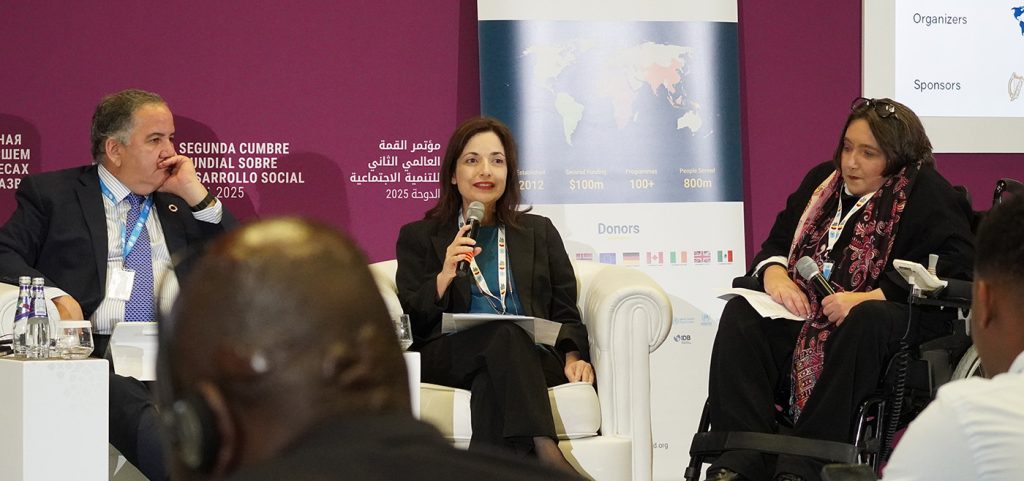
Ms. Farida Bena highlighted the compounded barriers faced by women and girls with disabilities and called for targeted budgets and high‑level political leadership.
Representation and voice:
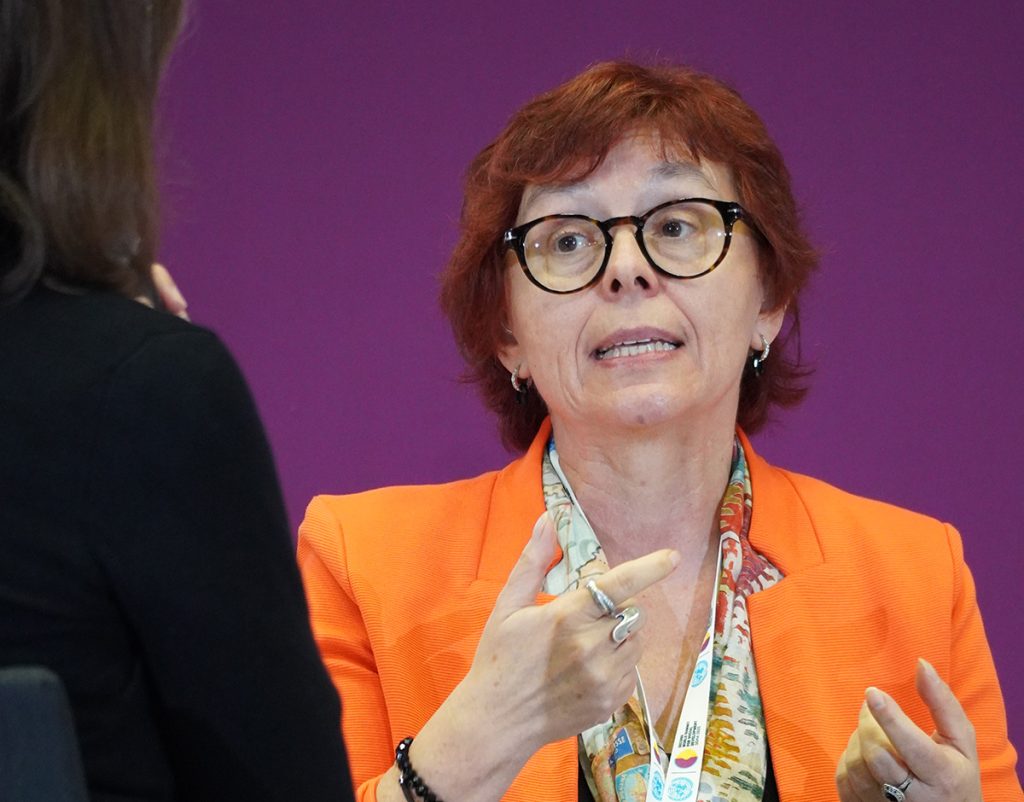
Ms. Sanja Tarczay emphasized the need for greater inclusion of underrepresented groups, particularly persons who are deafblind. She celebrated the UN’s recognition of the International Day of Deafblindness as a milestone for visibility and rights.
Closing Reflections
Heba Hagrass: Local Leadership Drives Global Change
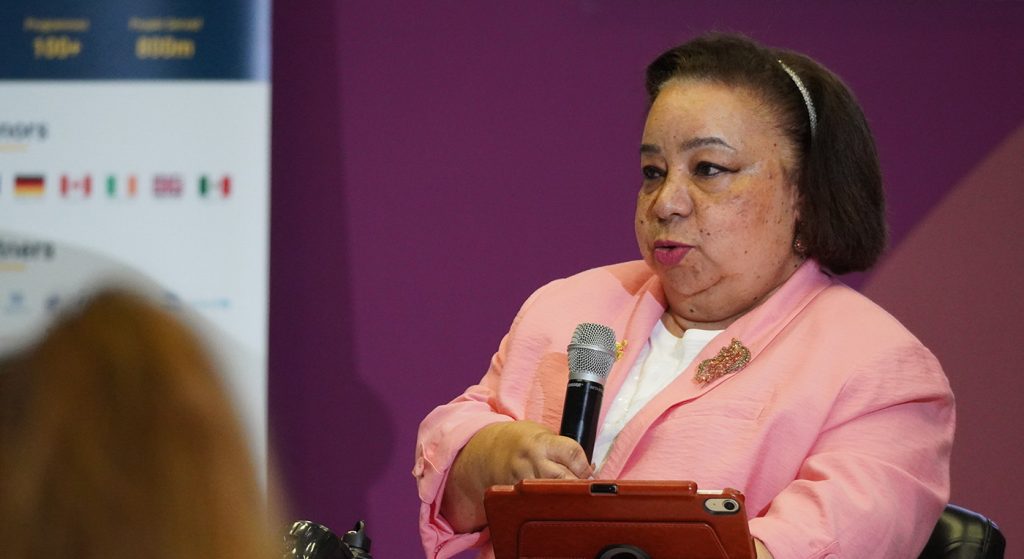
Ms. Hagrass, UN Special Rapporteur, emphasized that sustainable transformation begins at the community level, with OPDs designing and delivering solutions that benefit entire societies. She highlighted the importance of models like the Global Disability Fund, stating that equitable financing and participatory governance are “mechanisms that make inclusion real.”
Dr. Ola Abualghaib: Advancing Inclusion Through Partnership
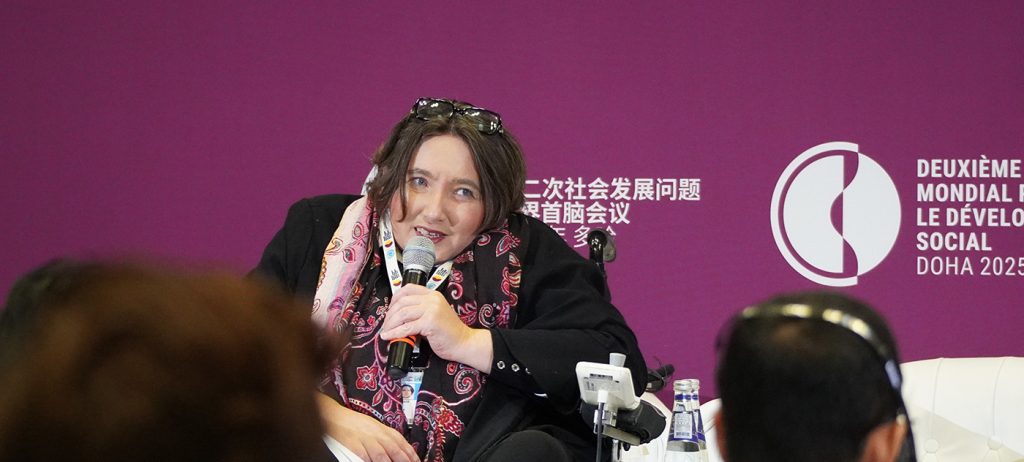
Dr. Abualghaib, Director of the Global Disability Fund, affirmed GDF’s dual role as funder and coach, strengthening OPD leadership and supporting governments to expand accessible services and rights. While celebrating progress, she noted that “more solutions, more participation, and more voice” are needed. She reaffirmed GDF’s commitment to models where the UN, governments, and OPDs work side‑by‑side to drive systemic change.
Key Takeaways
- Disability inclusion is a moral, legal, and economic imperative.
- OPD leadership is essential for accountability and relevance.
- Innovative financing is critical to scale inclusive systems.
- Gender and intersectionality must shape policy design.
- Disability‑disaggregated data is essential for progress.
Opportunities Ahead
- Scale GDF‑supported models for inclusive national reforms.
- Use CRPD@20 (2026) as a global accountability milestone.
- Expand disability markers and inclusive financing frameworks.
- Strengthen multi‑stakeholder platforms for policy coherence.
- Amplify the voices of women and underrepresented groups.
What Comes Next?
- Align WSSD2 outcomes with CRPD obligations and SDG targets.
- Mobilize resources through GDF and partners for catalytic action.
- Support governments to institutionalize disability inclusion through legislation, budgets, and monitoring systems.
- Use CRPD@20 to secure renewed, measurable global